Get Your Lawn Ready for March Madness Madness with These Standard Lawn Maintenance Tips!
- johnlukelinehan
- Mar 17
- 4 min read
As the excitement of March Madness fills the air, it's time to turn your attention to your outdoor space. Just as basketball teams prepare for the big games, you can gear up for the lawn maintenance season. With a solid plan, your lawn can look as stunning as your favorite team's court. Here’s how to get your lawn in peak condition just in time for March Madness.
Assess Your Lawn’s Condition
Before diving into spring lawn care, take a moment to closely inspect your lawn. Is your grass beginning to green up, or are there patches showing signs of browning? Are weeds making an aggressive appearance, or do you have a lush carpet of green? Knowing what you're working with is key to a successful maintenance strategy.
Look for the following signs:
Bare Spots: These could indicate poor soil health or issues with water drainage.
Excess Moisture: If certain areas stay soggy, consider solutions to improve drainage.
Pest Indicators: Look for any insect activity or signs of damage to your grass.
Understanding these conditions helps you decide on the best fertilization and weed control methods to implement.
Start with a Thorough Cleanup
Just like teams reorganize during the off-season, your lawn needs a spring cleaning. Clear away any debris left from winter, such as fallen branches, twigs, and old leaves. This cleanup serves two important purposes:
It improves the aesthetics of your yard.
It ensures sunlight can reach your grass, which is vital for its health.
A thorough clean-up creates a solid foundation for your entire lawn maintenance plan.

Aerate Your Lawn
Aeration is an essential lawn care step that is often overlooked but can significantly improve the health of your grass. By using a lawn aerator, you create small holes in the soil. This allows air, water, and nutrients to penetrate deeper roots, leading to a healthier lawn.
Consider aerating if:
Your lawn sees a lot of foot traffic.
You have clay soil, which tends to compact easily.
Ideally, aim to aerate in late winter or early spring, allowing your grass time to recover as temperatures rise and growth begins.
Fertilization: The Winning Play
Spring is the perfect time to fertilize your lawn and kickstart growth after a long winter. Choose fertilizers that match the type of grass you have—cool-season or warm-season varieties—depending on your location.
Here are some tips for effective fertilization:
Begin fertilization when your grass starts to green up and shows signs of growth.
Follow the recommended application details on the package. Over-fertilizing may harm your lawn, often leading to burnt tips and nutrient runoff.
A balanced fertilization schedule can make a big difference; lawns that are properly fed can grow up to 50% thicker than those that aren’t.

Watering Wisely
As the weather warms, proper watering is crucial. Grass requires about 1 inch of water per week, whether delivered by rainfall or irrigation. Overwatering can create disease-prone conditions and result in shallow roots.
Here’s how to approach watering:
Water in the morning or late afternoon to reduce evaporation.
Opt for deep watering rather than frequent light watering—this encourages a strong root system.
Weeding Strategies for Defense
Just like basketball teams must defend their home court, you need to protect your lawn from weeds. Start with pre-emergent herbicides early in the spring to prevent common weeds from establishing roots.
To manage existing weeds:
Hand-pulling is effective for small infestations.
For larger problems, consider targeted post-emergent herbicides while ensuring they're suitable for your grass type and following all instructions carefully.
Mowing Like a Pro
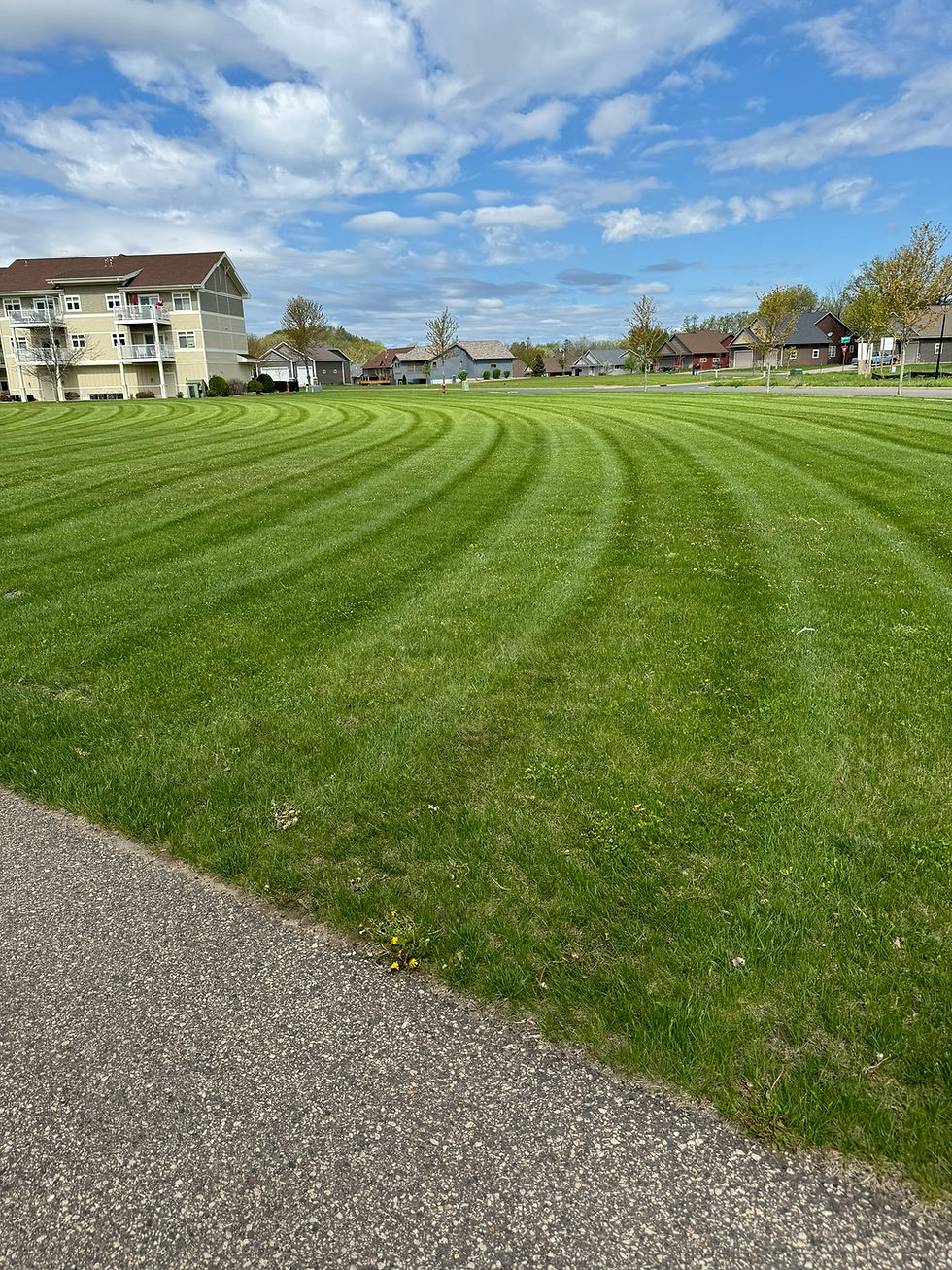
Once your grass starts growing consistently, it’s time to mow! Regular mowing promotes bushy growth and keeps your lawn looking sharp. Ideally, mow every week, ensuring no more than one-third of the grass height is cut off at a time to maintain a healthy root system.
Adjust your mower height according to the grass type you have. Taller settings during warmer months help retain moisture and foster deeper roots.
Keep an Eye on Pests
As your lawn comes to life, pests will too. Regularly check your grass for signs of insect damage. Common lawn pests include grubs, chinch bugs, and ants—if left unchecked, they can significantly damage your lawn.
If pests are spotted, consider these strategies:
Use insecticides carefully to minimize harm to beneficial insects.
Explore natural pest control options, like introducing beneficial insects that target pests without harming your lawn.
Ready for Action
With March Madness kicking off and lawn care season in full swing, it's time to take action! By following these standard lawn maintenance tips, you set the desired foundation for a season filled with vibrant growth and lush grass.
Just as in basketball, preparation and consistent care lead to a winning lawn. So grab your tools and start crafting the beautiful outdoors you've always dreamed of. Let's gear up and enjoy this season—after all, March Madness has nothing on a well-maintained lawn!
Now is the time to put these tips into practice—your lawn is ready for you to score some maintenance points!
Comments